
Photo Studio
The Problem With AI Imagery Isn't AI. It's What Never Existed
Part 2: When enhancement becomes invention
23 September 2026 · Updated 26 September 2026
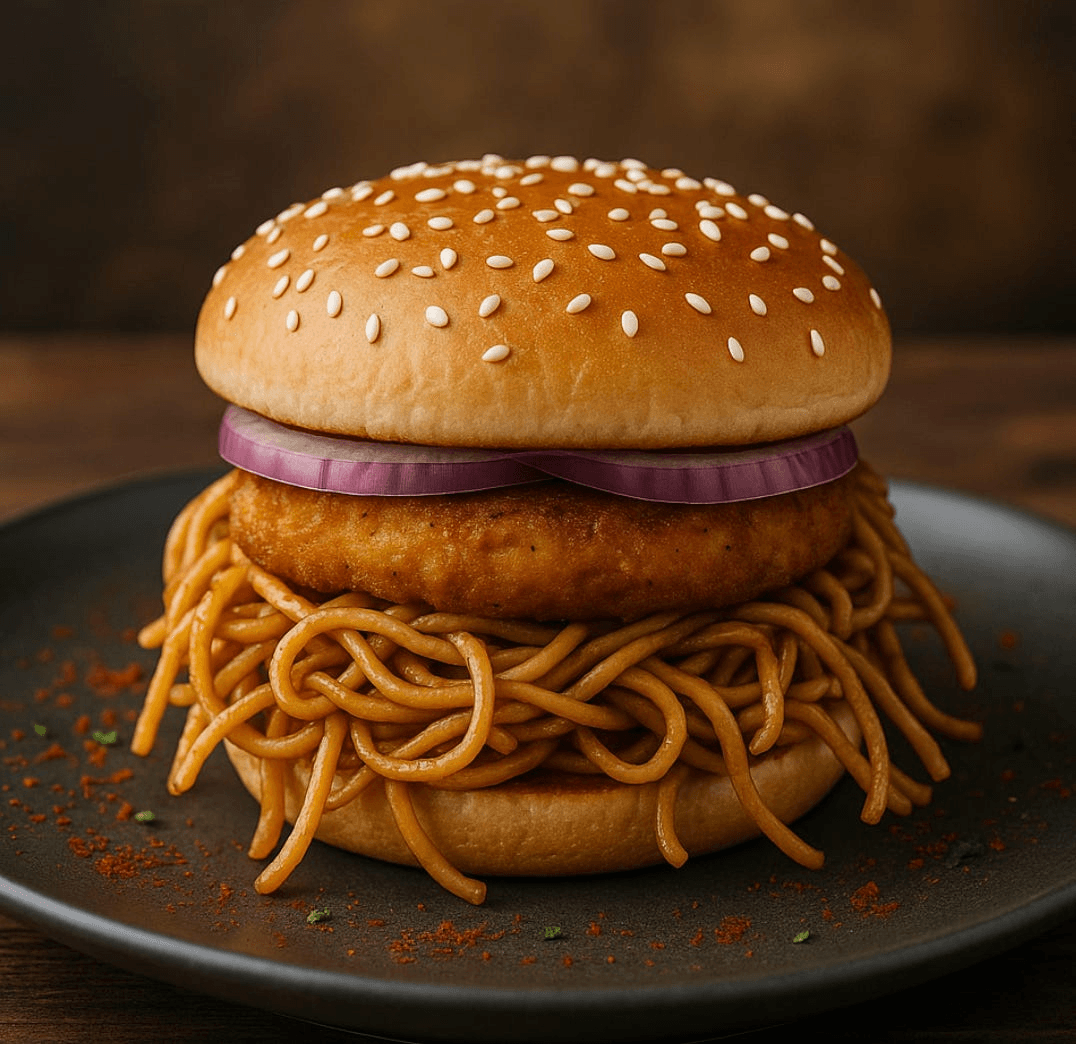
Some AI-generated food imagery is merely uncanny.
Some of it is genuinely repellent.
In recent examples highlighted by The Guardian, meat looks leathery, bread resembles reptile skin, and dishes have the strange sheen of something you might hesitate to eat at all.[1]
Which is a fairly serious problem when the entire purpose of the image is to make someone hungry.
The obvious reaction is to blame AI. But that feels too easy.
A small food business may not have the budget for a professional shoot, stylist, designer and post-production. If generative AI can create something that communicates “we sell burgers” for a fraction of the cost, the attraction is obvious.
The question is whether saving money on producing an image still counts as a saving if the result actively puts customers off.
Maybe we’re just less easily impressed by AI
There does seem to be a broader cooling of the initial excitement around generative AI.
Gartner now describes GenAI as firmly in the Trough of Disillusionment, the stage where early enthusiasm gives way to harder questions about performance, value and return on investment.[2]
Consumers are becoming more sceptical too. In an August 2026 Bentley University-Gallup survey, 49% of Americans viewed businesses using AI to create advertising negatively, compared with 19% positively.[3]
So its not clear to say that this means people simply “hate AI”.
Maybe we’re entering a less-easily-impressed-by-AI era.
The novelty is wearing off. “Made with AI” is no longer interesting on its own. The output still has to be good, useful and appropriate for the job.
Is the tooling really the issue?
This matters because there is another side to the story.
A recent discussion among food photographers on Reddit began with a photographer describing clients moving work to AI. Another product photographer said their employer was doing the same, despite the results looking worse and not saving much time.[4]
The threat to creative livelihoods is real, and it would be disingenuous to pretend otherwise.
But imagine a slightly different scenario.
A photographer takes the original image, then uses AI to extend the background, remove a distraction, correct the lighting, create another crop or tidy part of the scene.
Has something inherently gone wrong because AI was involved?
As long as the food is still represented accurately, is the tooling really the issue?
AI replacing a creative workflow entirely is not the same thing as AI augmenting one. There is a very large territory between those extremes.
Preserve, enhance, reconstruct, invent
A useful way to think about generative editing is as a spectrum:
- 1Preserve
- 2Enhance
- 3Reconstruct
- 4Invent
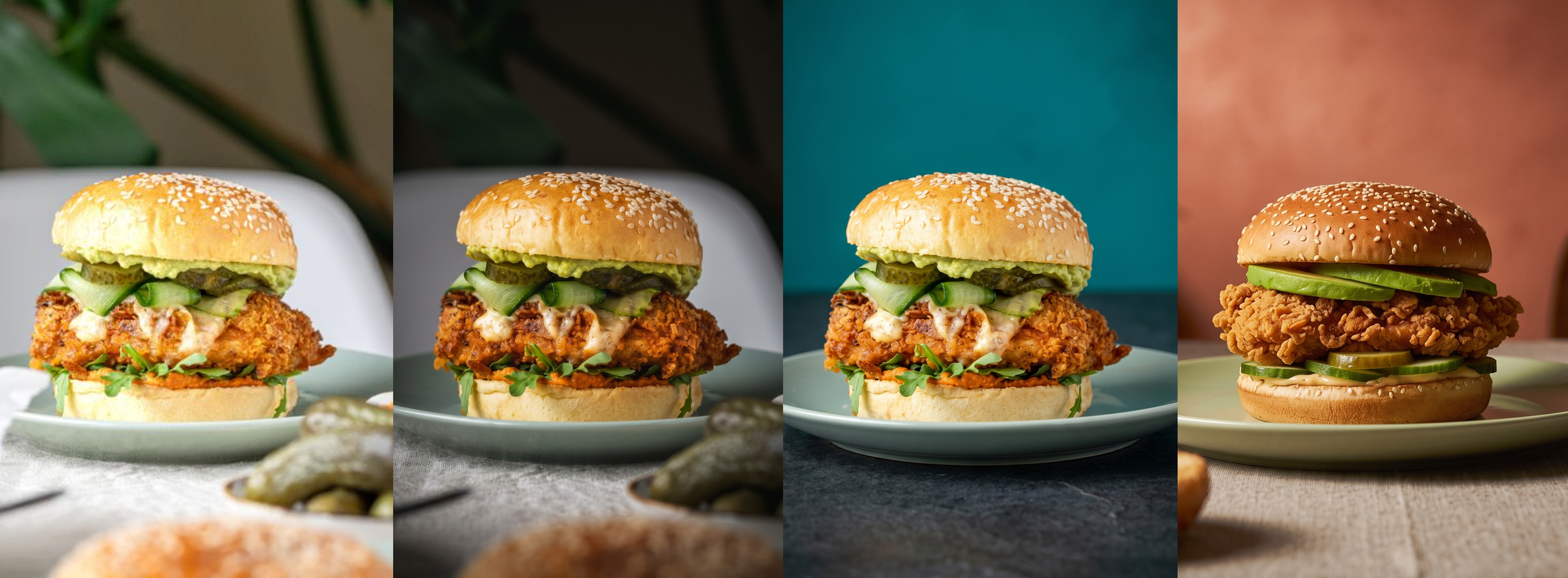
At one end are changes such as colour correction, cropping and exposure. The underlying subject remains essentially untouched.
Move along the spectrum and AI might change the lighting, surface or background, or remove distracting objects.
Further again, it may need to reconstruct information. Remove an item from a table and something has to create the pixels that were previously hidden underneath it. Extend the edge of an image and the model has to generate scenery the camera never captured.
Then there is invention: generating the burger, ingredients, plate and environment from scratch.
None of these is inherently wrong.
The more important question is: what does the resulting image claim to represent?
An impossible AI-generated trainer floating through space in an advertising campaign is obviously a creative concept. Nobody assumes the scene really existed.
A photograph beside a food-delivery listing carries a different implication:
This is approximately what you’re going to receive.
Food makes the boundary obvious
Interestingly, AI-generated food imagery is not automatically less attractive.
A 2024 study published in Food Quality and Preference found that, when the origin of the images was not disclosed, participants often preferred AI-generated food images to real ones. But when people were told which images were genuine, the real images received a significant boost in appeal.[5]
A 2026 study in Scientific Reports, a Nature Portfolio journal, found a related split. Shown matched pairs, and not told which image was generated, people rated the AI food as less realistic and were less willing to eat it. Their guesses about healthiness and calories stayed much the same. Where a generated image did look more real than the photograph, willingness to eat tended to rise with it.[6]
That makes this more interesting than simply saying “AI food looks bad”.
The issue is also about representation and trust.
One comment in a San Francisco Reddit discussion about an AI-generated cafe menu captured the distinction remarkably well:[7]
“surely they could have just made the food and used AI to spruce up the background or something.”
Exactly.
If the thing being advertised already exists, starting with that real thing gives the image a source truth.
Then AI can work around it.
Some invention is useful
This does not mean generative AI should never invent pixels.
Quite the opposite.
If an unwanted object covers part of a plate, removing it requires the model to reconstruct whatever would plausibly have been underneath. If an image needs a little more room for a social-media crop, extending the tabletop may be entirely reasonable.
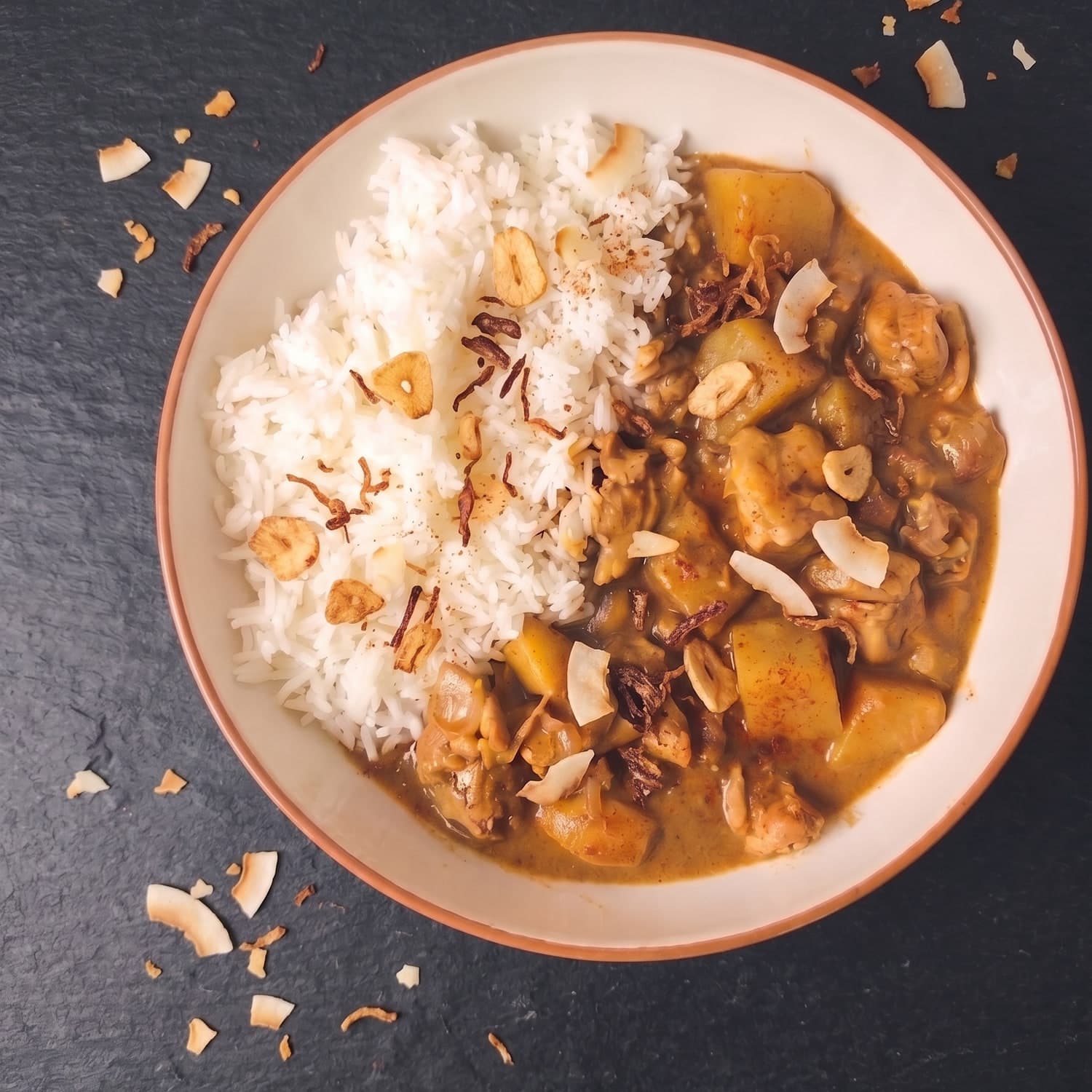
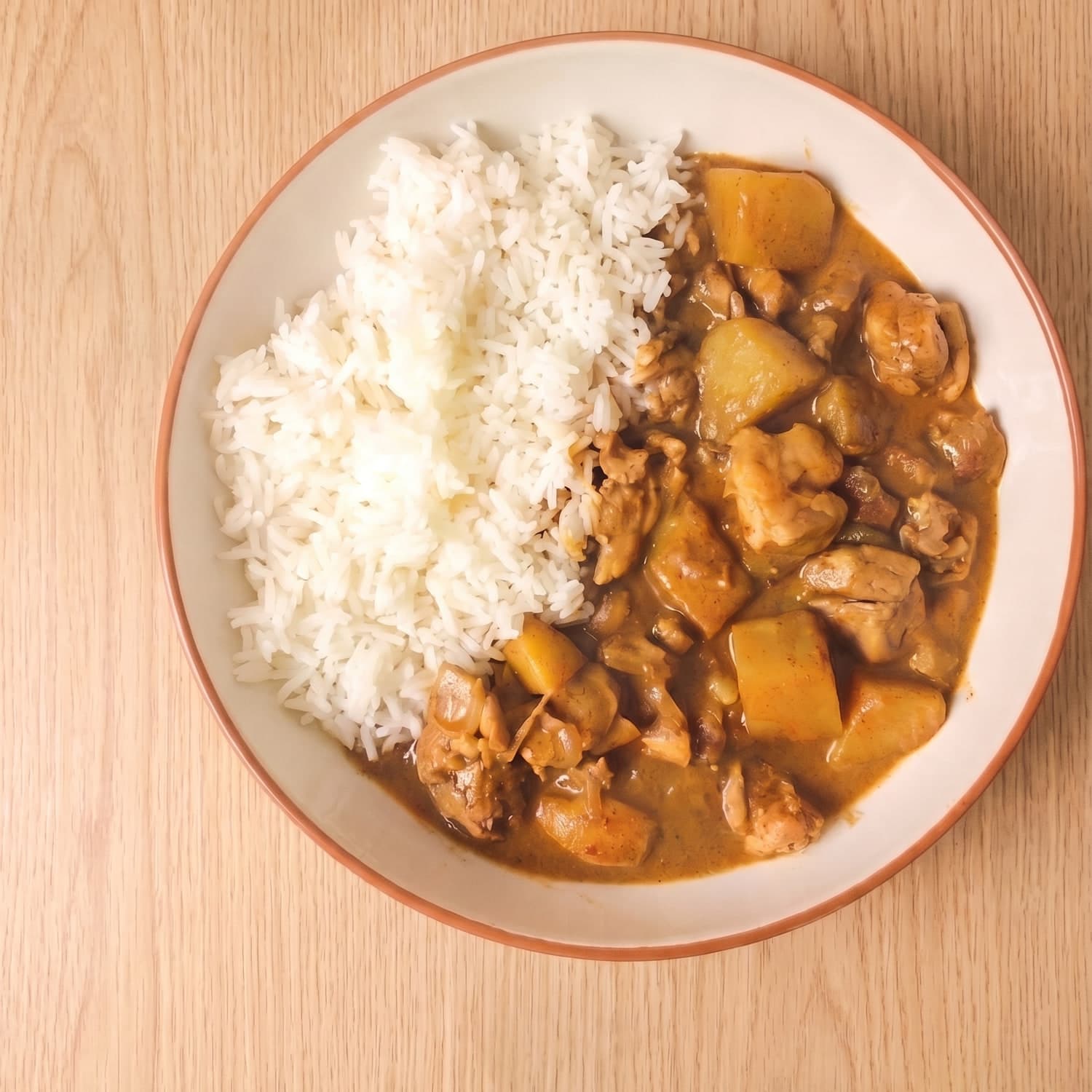
The key is how far the generation moves from the subject that matters.
Inventing a few centimetres of wooden table is not equivalent to inventing an entire steak.
So perhaps the principle is not “never invent”.
It is:
The further generation moves from the original subject, the more carefully we should ask whether the finished image still represents reality.
Knowing what not to generate
In Part 1, we wrote about prompt fatigue and why precise generative editing needs better controls rather than increasingly elaborate conversations with an AI model.
Better control leads naturally to the next question: what should those controls allow the model to change?
Generative AI is not going away, and nor should it. Used well, it can remove tedious work, expand creative possibilities and make high-quality production accessible to people who could never justify a traditional shoot for every asset they need.
The challenge is not deciding whether AI belongs in the creative process.
It is deciding what we are comfortable asking it to invent.
For GridMenu, that means starting with the real food and treating it as the source of truth, while using generation where it genuinely helps the image around it.
Sometimes the smartest use of generative AI is knowing what not to generate.